[vc_row][vc_column][vc_custom_heading text=”The desert oasis of Khotan was an important stop on the Silk Road…” google_fonts=”font_family:Berkshire%20Swash%3Aregular|font_style:400%20regular%3A400%3Anormal”][vc_separator][vc_column_text]
Khotan was the first place outside of inland China to begin cultivating silk. The legend, repeated in many sources, and illustrated in murals discovered by archaeologists, is that a Chinese princess brought silkworm eggs hidden in her hair when she was sent to marry the Khotanese king. This probably took place in the first half of the 1st century AD but is disputed by a number of scholars.[85]
According to Xuazang, the introduction of sericulture to Khotan occurred in the first quarter of the 5th century. The King of Khotan wanted to obtain silkworm eggs, mulberry seeds and Chinese know-how – the three crucial components of silk production. The Chinese court had strict rules against these items leaving China, to maintain the Chinese monopoly on silk manufacture. Xuanzang wrote that the King of Khotan asked for the hand of a Chinese princess in marriage as a token of his allegiance to the Chinese emperor. The request was granted, and an ambassador was sent to the Chinese court to escort the Chinese princess to Khotan. He advised the princess that she would need to bring silkworms and mulberry seeds in order to make herself robes in Khotan and to make the people prosperous. The princess concealed silkworm eggs and mulberry seeds in her headdress and smuggled them through the Chinese frontier. According to his text, silkworm eggs, mulberry trees and weaving techniques passed from Khotan to India, and from there eventually reached Europe.[87]
[/vc_column_text][vc_column_text]
This text was borrowed from Wikipedia.com under the Creative Commons Attribution-ShareAlike License.
Click here to read more about the Kingdom of Khotan on Wikipedia.com.
[/vc_column_text][vc_separator][vc_column_text]
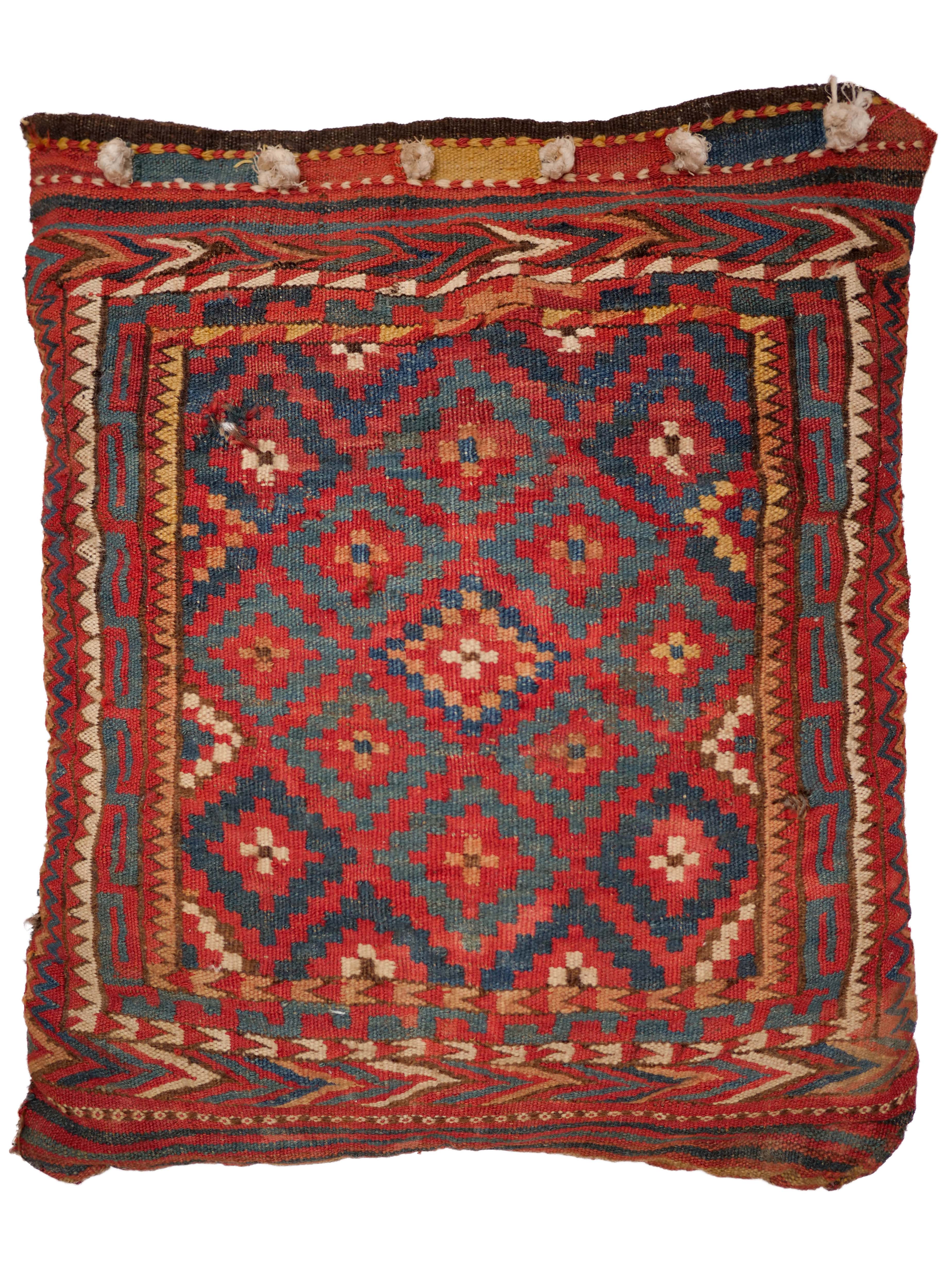
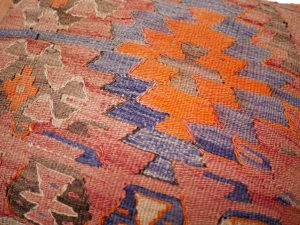
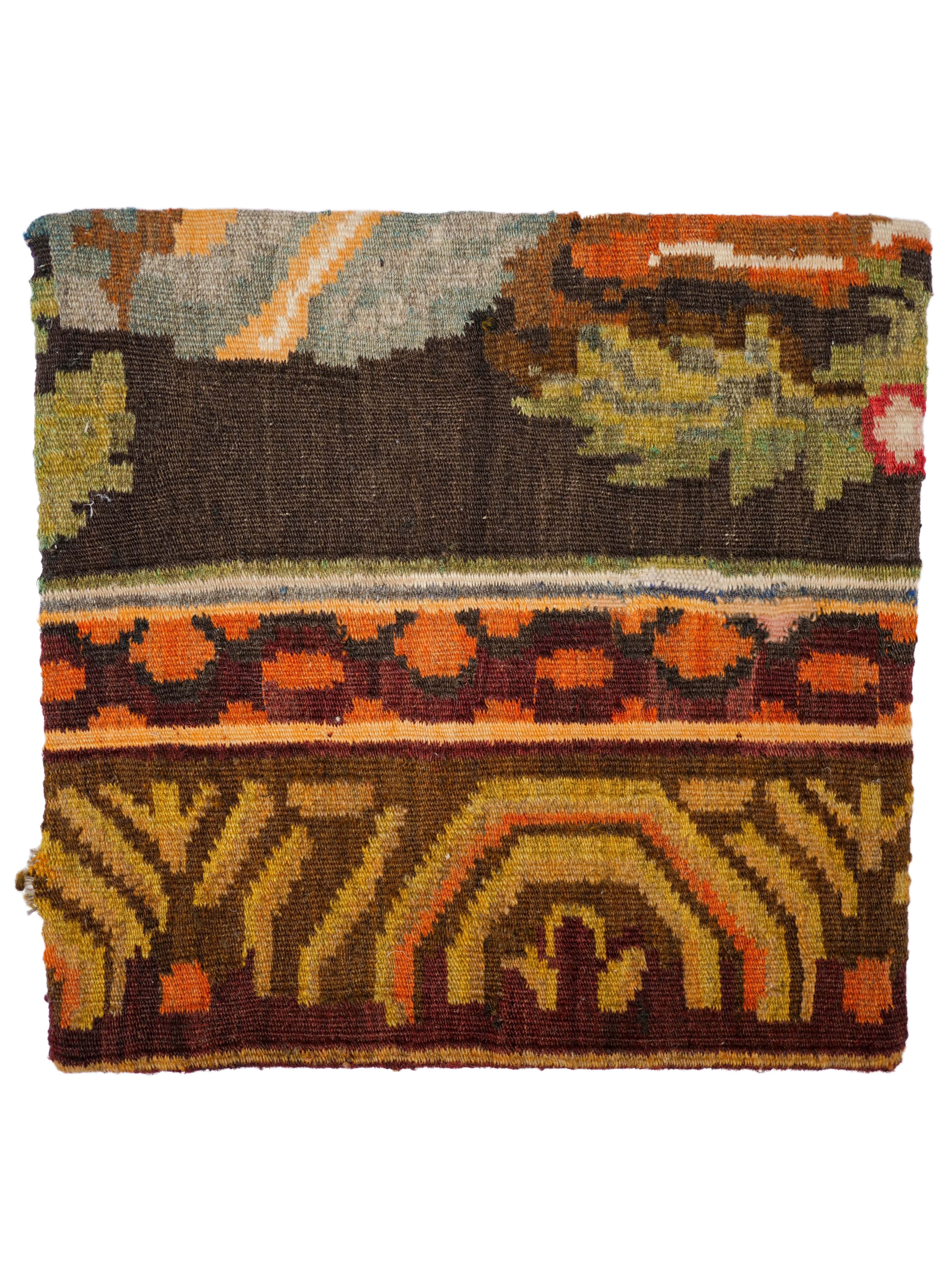
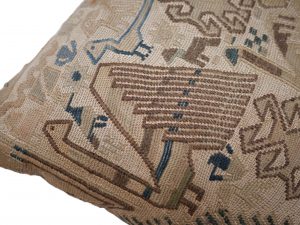
The people of Khotan were expert carpet weavers who produced high quality antique rugs and carpets for both internal and the commercial trade.
Samarkand carpets and reached the height of their popularity between the 17th Century and 19th century although archaeological evidence shows local people produced intricately woven textiles more than 1,000 years earlier.
Samarkand (a.ka. Khotan rugs) were traditionally produced using the asymmetric Persian carpet knot, which gives the pile the directional quality associated with carpets from the Far East.
Although elements from Chinese and Tibetan carpets are evident in the medallion designs of Khotan, the colors, detailed patterns, execution, and production methods make them unlike carpets produced in the Far East.
[/vc_column_text][vc_column_text]
Whether you’re looking for a museum-worthy masterpiece or a handwoven, bohemian rug for your home, Khyber Pass Gallery has it all.
[/vc_column_text][/vc_column][/vc_row][vc_row][vc_column][vc_empty_space][vc_separator][vc_empty_space][ultimate_heading main_heading=”Rug Showroom” sub_heading_color=”#444444″ spacer=”image_only” spacer_position=”middle” spacer_img_width=”96″ main_heading_font_family=”font_family:Dancing Script|font_call:Dancing+Script” main_heading_font_size=”desktop:24px;tablet:24px;tablet_portrait:24px;mobile_landscape:24px;mobile:24px;” sub_heading_font_size=”desktop:24px;tablet:24px;tablet_portrait:24px;mobile_landscape:24px;mobile:24px;” spacer_img=”id^164|url^http://demo9.cmsmart.net/antique_1/wp-content/uploads/2017/10/icon_bettwen.png|caption^null|alt^null|title^icon_bettwen|description^null” el_class=”galary_collection”]
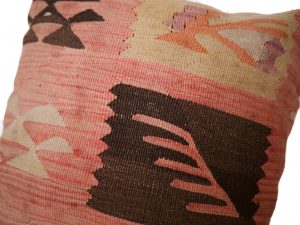
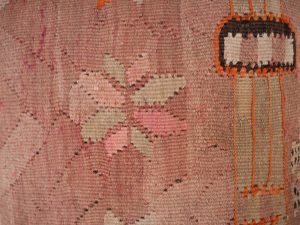
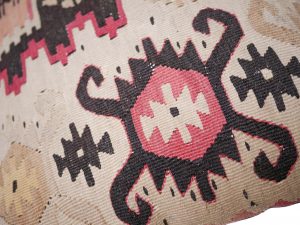
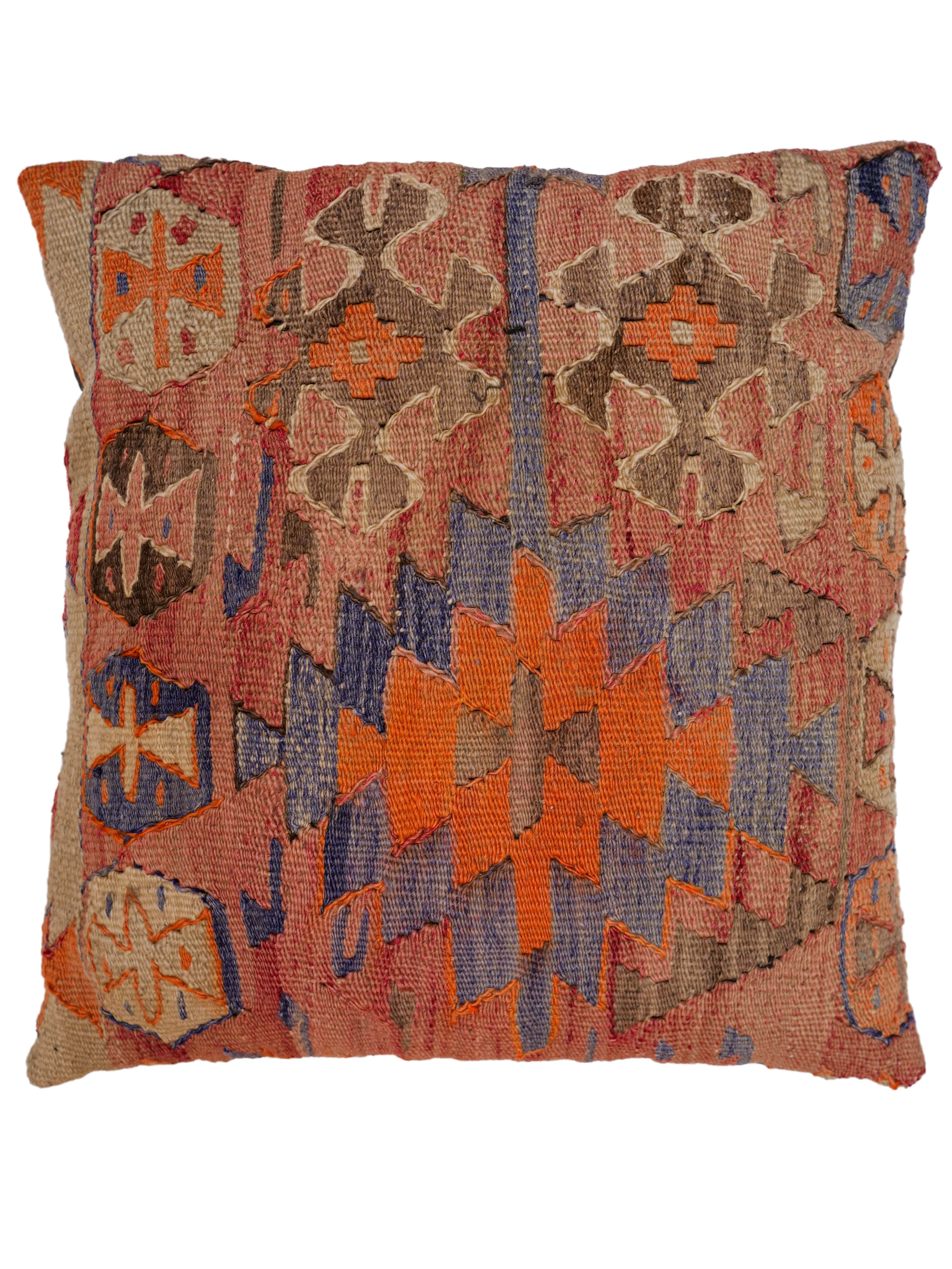
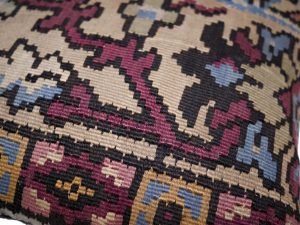
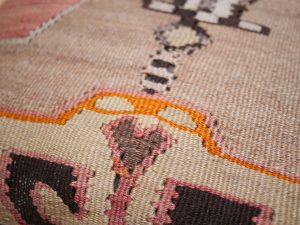
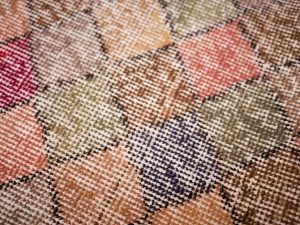
One-of-a-Kind, Hand-Crafted Collectible Rugs
[/ultimate_heading]










[vc_row][vc_column][vc_empty_space][vc_separator][vc_empty_space][ultimate_heading main_heading=”Looking for the Perfect Piece?” sub_heading_color=”#444444″ spacer=”image_only” spacer_position=”middle” spacer_img_width=”96″ main_heading_font_family=”font_family:Dancing Script|font_call:Dancing+Script” main_heading_font_size=”desktop:24px;tablet:24px;tablet_portrait:24px;mobile_landscape:24px;mobile:24px;” sub_heading_font_size=”desktop:24px;tablet:24px;tablet_portrait:24px;mobile_landscape:24px;mobile:24px;” spacer_img=”id^164|url^http://demo9.cmsmart.net/antique_1/wp-content/uploads/2017/10/icon_bettwen.png|caption^null|alt^null|title^icon_bettwen|description^null” el_class=”galary_collection” margin_design_tab_text=””]
Browse Rugs by Region or Tribe
[/ultimate_heading][vc_row_inner][vc_column_inner width=”1/2″][bsf-info-box icon_type=”custom” icon_img=”id^1117|url^https://khyberpasstreasures.com/wp-content/uploads/2019/05/farsi-persian-min.png|caption^Farsi Persian|alt^Farsi Persian|title^Farsi Persian|description^Farsi Persian” img_width=”48″ title=”Iranian & Persian” read_more=”box” link=”url:http%3A%2F%2Fkhyberpasstreasures.com%2Fproduct-category%2Frugs%2Firanian-persian%2F|||” hover_effect=”style_2″]The Persian carpets are widely considered to be made by the finest carpet making region in the world.[/bsf-info-box][/vc_column_inner][vc_column_inner width=”1/2″][bsf-info-box icon_type=”custom” icon_img=”id^1112|url^https://khyberpasstreasures.com/wp-content/uploads/2019/05/farsi-baluchi-min.png|caption^Farsi Baluchi|alt^Farsi Baluchi|title^Farsi Baluchi|description^Farsi Baluchi” img_width=”48″ title=”Baluchi” read_more=”box” link=”url:http%3A%2F%2Fkhyberpasstreasures.com%2Fproduct-category%2Frugs%2Fbaluchi%2F|||” hover_effect=”style_2″]Many Baluchi rugs are designed for prayer.[/bsf-info-box][/vc_column_inner][/vc_row_inner][vc_row_inner][vc_column_inner width=”1/2″][bsf-info-box icon_type=”custom” icon_img=”id^1110|url^https://khyberpasstreasures.com/wp-content/uploads/2019/05/farsi-afghan-min.png|caption^Farsi Afghan|alt^Farsi Afghan|title^Farsi Afghan|description^Farsi Afghan” img_width=”48″ title=”Afghan” read_more=”box” link=”url:http%3A%2F%2Fkhyberpasstreasures.com%2Fproduct-category%2Frugs%2Fafghan%2F|||” hover_effect=”style_2″]Afghan rugs are famous for their red wine color and fine wool.[/bsf-info-box][/vc_column_inner][vc_column_inner width=”1/2″][bsf-info-box icon_type=”custom” icon_img=”id^1114|url^https://khyberpasstreasures.com/wp-content/uploads/2019/05/farsi-khotan-min.png|caption^Farsi Khotan|alt^Farsi Khotan|title^Farsi Khotan|description^Farsi Khotan” img_width=”48″ title=”Samarkand & Khotan” read_more=”box” link=”url:http%3A%2F%2Fkhyberpasstreasures.com%2Frug-gallery%2Fkhotan-samarkand-rugs%2F|title:Samarkand%20%26%20Khotan%20Rugs||” hover_effect=”style_2″]The desert oasis of Khotan was an important stop on the Silk Road…[/bsf-info-box][/vc_column_inner][/vc_row_inner][vc_row_inner][vc_column_inner width=”1/2″][bsf-info-box icon_type=”custom” icon_img=”id^1113|url^https://khyberpasstreasures.com/wp-content/uploads/2019/05/farsi-bukhara-min.png|caption^Farsi Bukhara|alt^Farsi Bukhara|title^Farsi Bukhara|description^Farsi Bukhara” img_width=”48″ title=”Bukhara & Turkmen” read_more=”box” link=”url:http%3A%2F%2Fkhyberpasstreasures.com%2Fproduct-category%2Frugs%2Fbukhara%2F|||” hover_effect=”style_2″]Originating from the city of Bukhara in modern day Uzbekistan, Bokhara rugs were originally woven by the Tekke tribe, a nomadic Central Asian people.[/bsf-info-box][/vc_column_inner][vc_column_inner width=”1/2″][bsf-info-box icon_type=”custom” icon_img=”id^1115|url^https://khyberpasstreasures.com/wp-content/uploads/2019/05/farsi-moroccan-min.png|caption^Farsi Moroccan|alt^Farsi Moroccan|title^Farsi Moroccan|description^Farsi Moroccan” img_width=”48″ title=”Moroccan” read_more=”box” link=”url:http%3A%2F%2Fkhyberpasstreasures.com%2Frug-gallery%2Fmoroccan-rugs%2F|title:Moroccan%20Rugs||” hover_effect=”style_2″]Today, the Moroccan rug is one the industry’s hottest design trend.[/bsf-info-box][/vc_column_inner][/vc_row_inner][vc_row_inner][vc_column_inner width=”1/2″][bsf-info-box icon_type=”custom” icon_img=”id^1111|url^https://khyberpasstreasures.com/wp-content/uploads/2019/05/farsi-anatolian-min.png|caption^Farsi Anatolian|alt^Farsi Anatolian|title^Farsi Anatolian|description^Farsi Anatolian” img_width=”48″ title=”Anatolian & Turkish” read_more=”box” link=”url:http%3A%2F%2Fkhyberpasstreasures.com%2Frug-gallery%2Fanatolian-turkish-rugs%2F|title:Anatolian%20%26%20Turkish%20Rugs||” hover_effect=”style_2″]The antique Turkish rugs, from the iconic region of Anatolia (Turkey), are, arguably, the rugs that started it all.[/bsf-info-box][/vc_column_inner][vc_column_inner width=”1/2″][bsf-info-box icon_type=”custom” icon_img=”id^1116|url^https://khyberpasstreasures.com/wp-content/uploads/2019/05/farsi-oriental-min.png|caption^Farsi Oriental|alt^Farsi Oriental|title^Farsi Oriental|description^Farsi Oriental” img_width=”48″ title=”Oriental” read_more=”box” link=”url:%23|||” hover_effect=”style_2″]Oriental rugs are made in an area referred to as the “Rug Belt”, which stretches from Morocco across North Africa, the Middle East, and into Central Asia and northern India.[/bsf-info-box][/vc_column_inner][/vc_row_inner][/vc_column][/vc_row][vc_row][vc_column][vc_empty_space][vc_separator][vc_empty_space][vc_row_inner][vc_column_inner width=”1/4″][vc_btn title=”Learn More” size=”lg” align=”center” i_icon_fontawesome=”fa fa-book” button_block=”true” add_icon=”true” link=”url:http%3A%2F%2Fkhyberpasstreasures.com%2Fabout-us%2F|title:About%20Us||”][/vc_column_inner][vc_column_inner width=”1/4″][vc_btn title=”Visit Shop” size=”lg” align=”center” i_icon_fontawesome=”fa fa-shopping-cart” button_block=”true” add_icon=”true” link=”url:http%3A%2F%2Fkhyberpasstreasures.com%2Fshop%2F|title:Shop||”][/vc_column_inner][vc_column_inner width=”1/4″][vc_btn title=”View Services” size=”lg” align=”center” i_icon_fontawesome=”fa fa-server” button_block=”true” add_icon=”true” link=”url:http%3A%2F%2Fkhyberpasstreasures.com%2Fservices%2F|title:Services||”][/vc_column_inner][vc_column_inner width=”1/4″][vc_btn title=”Contact Us” size=”lg” align=”center” i_icon_fontawesome=”fa fa-volume-control-phone” button_block=”true” add_icon=”true” link=”url:http%3A%2F%2Fkhyberpasstreasures.com%2Fcontact-us%2F|title:Contact||”][/vc_column_inner][/vc_row_inner][/vc_column][/vc_row]