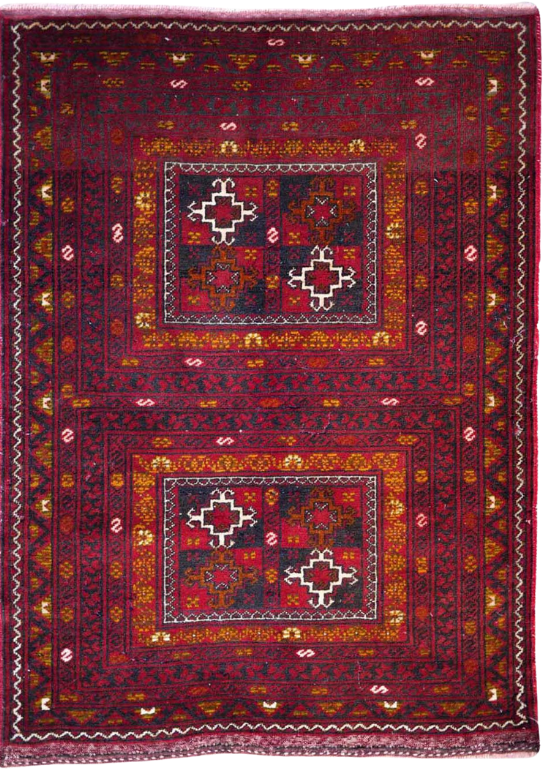
Samarkand & Khotan Rugs: History, Origin & Collector’s Guide
Discover the majestic beauty of Silk Road carpets. Originating from the historic oasis towns of East Turkestan (modern-day Xinjiang), Samarkand and Khotan rugs represent a breathtaking synthesis of Chinese, Persian, Central Asian, and Anatolian design traditions.
Introduction to Samarkand & Khotan Rugs
Positioned along the ancient Silk Road, the oasis trading centers of Khotan, Yarkand, and Kashgar—collectively traded through the ancient city of Samarkand—produced some of the world’s most distinct floor coverings.
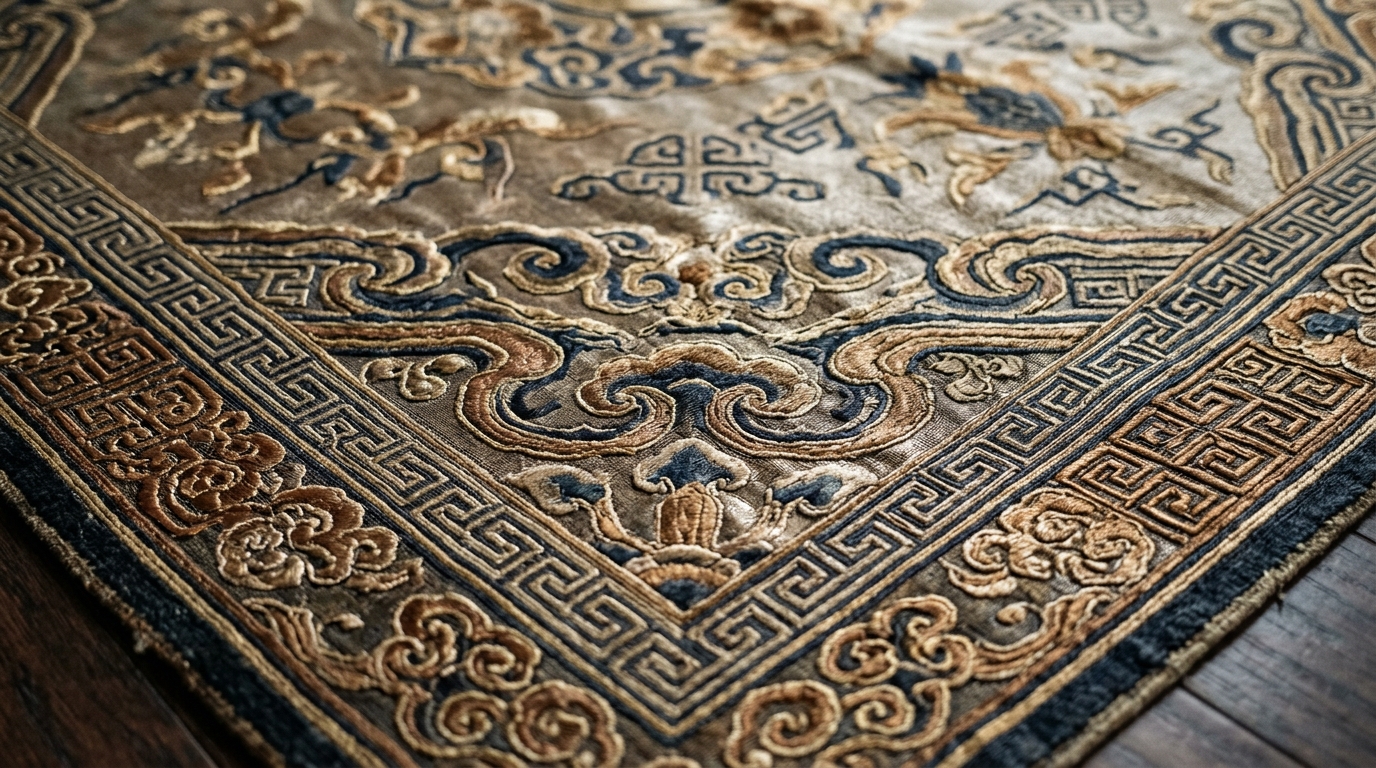
Samarkand and Khotan rugs are revered for bridging Eastern and Western aesthetics. Combining Chinese motifs (such as pomegranates, clouds, and dragons) with Persian geometric layouts and Central Asian dye traditions, these carpets offer a serene, artistic elegance unlike any other weaving tradition.
History & Regional Origins
The Silk Road Crossroad
As vital trading hubs along the Silk Road, East Turkestan oases were melting pots of culture, where Persian weavers, Chinese merchants, and Central Asian nomads exchanged styles and techniques.
Western Market Trade
Western traders and collectors traditionally bought these carpets in the vibrant bazaars of Samarkand, leading to the collective moniker “Samarkand Rugs” in international markets.
Distinct Aesthetic Fusion
These rugs uniquely blend Western Asian tribal structures with Eastern Asian pictorial symbolism and philosophy.
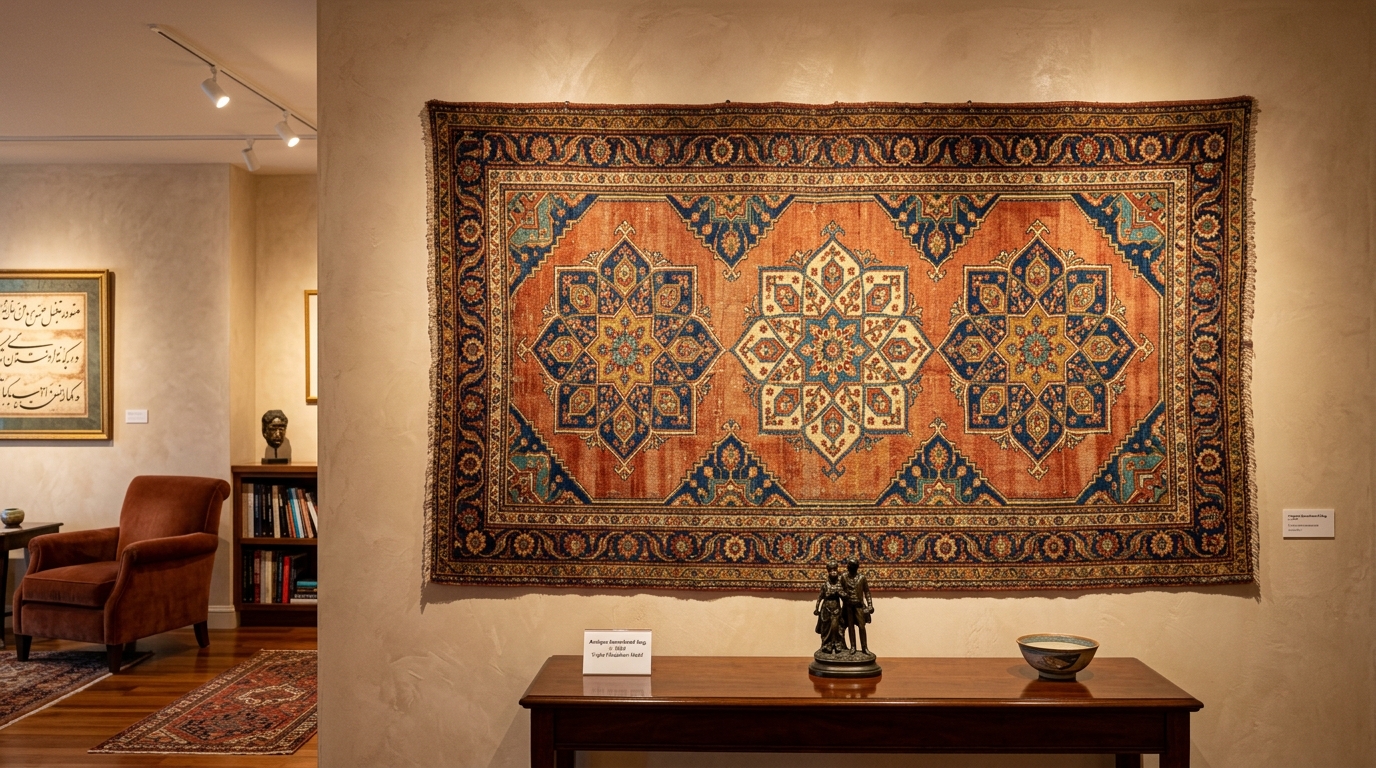
Styling Samarkand & Khotan Rugs in Modern Spaces
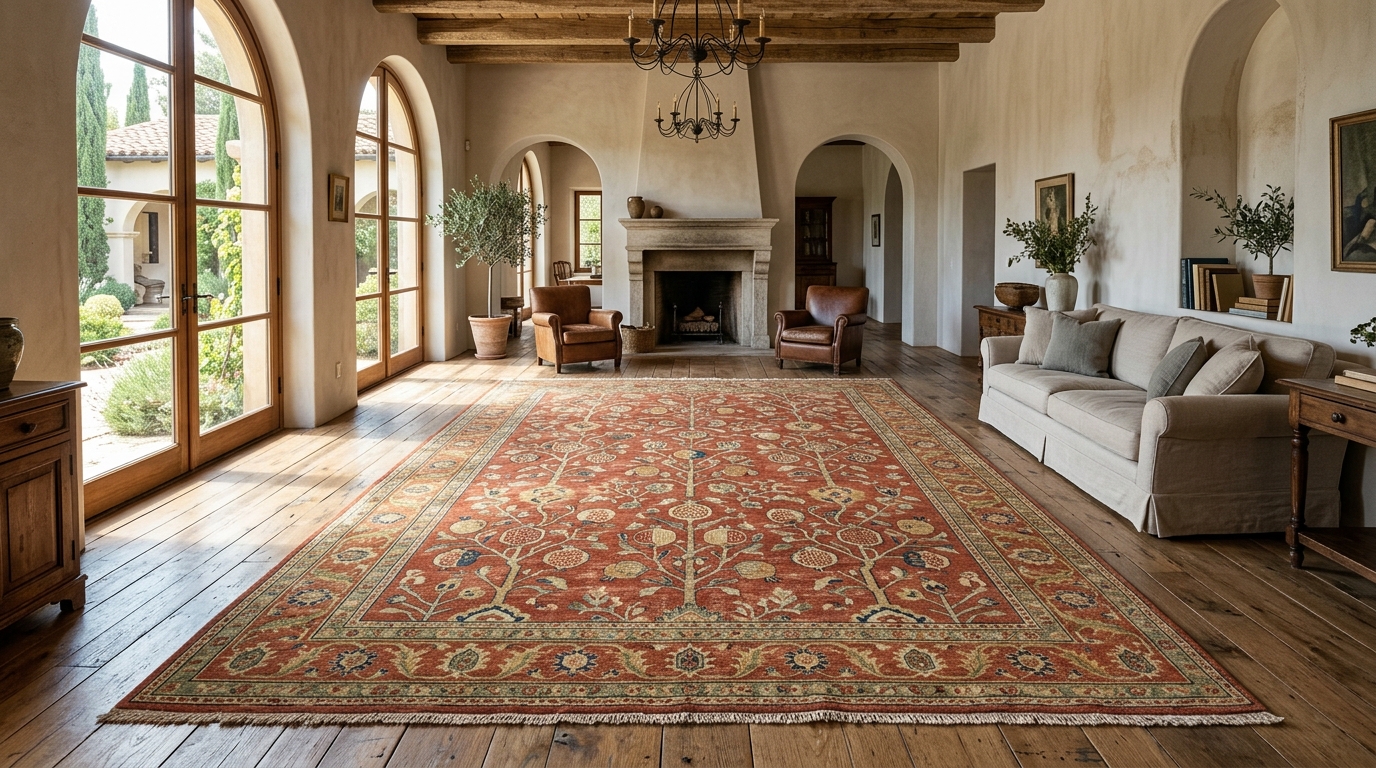
Because of their lighter, muted palettes and elegant geometric motifs, Khotan and Samarkand rugs are favorites among interior designers:
Care Tip
Caring for Your Samarkand & Khotan Rugs
Explore Our Collection
Browse our hand-selected inventory of authentic, hand-knotted Samarkand & Khotan rugs.