Anatolian & Turkish Rugs: History, Origin & Collector’s Guide
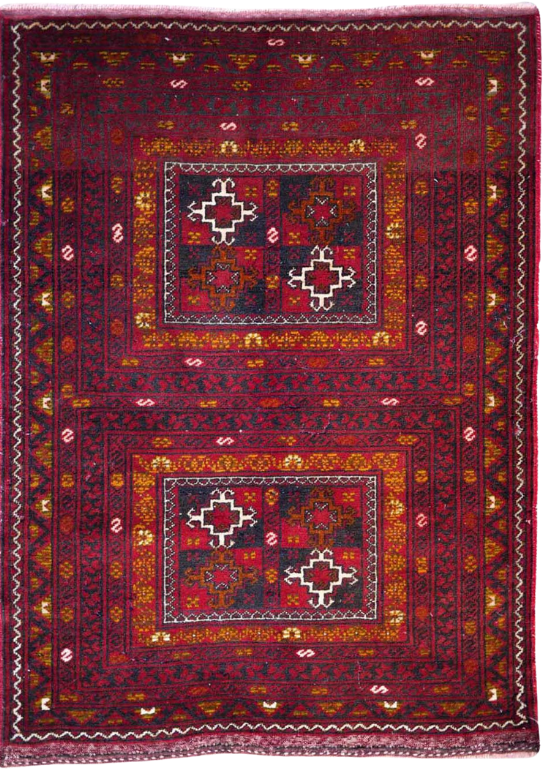
Discover the legendary craftsmanship of Anatolian and Turkish rugs. Hand-knotted for centuries across the historic Turkish peninsula, these masterpieces are celebrated for their iconic double-knotted structure, vibrant natural dye palettes, and deep geometric and floral symbolism.
Introduction to Anatolian & Turkish Rugs
Anatolian rugs—originating from the ancient region of Anatolia (modern-day Turkey)—hold a revered position in the history of textile art. As one of the world’s oldest continuous rug-weaving traditions, Anatolian weaving spans from village tribal flat-weaves (kilims) to exquisite fine-silk court carpets crafted for the Ottoman Empire.
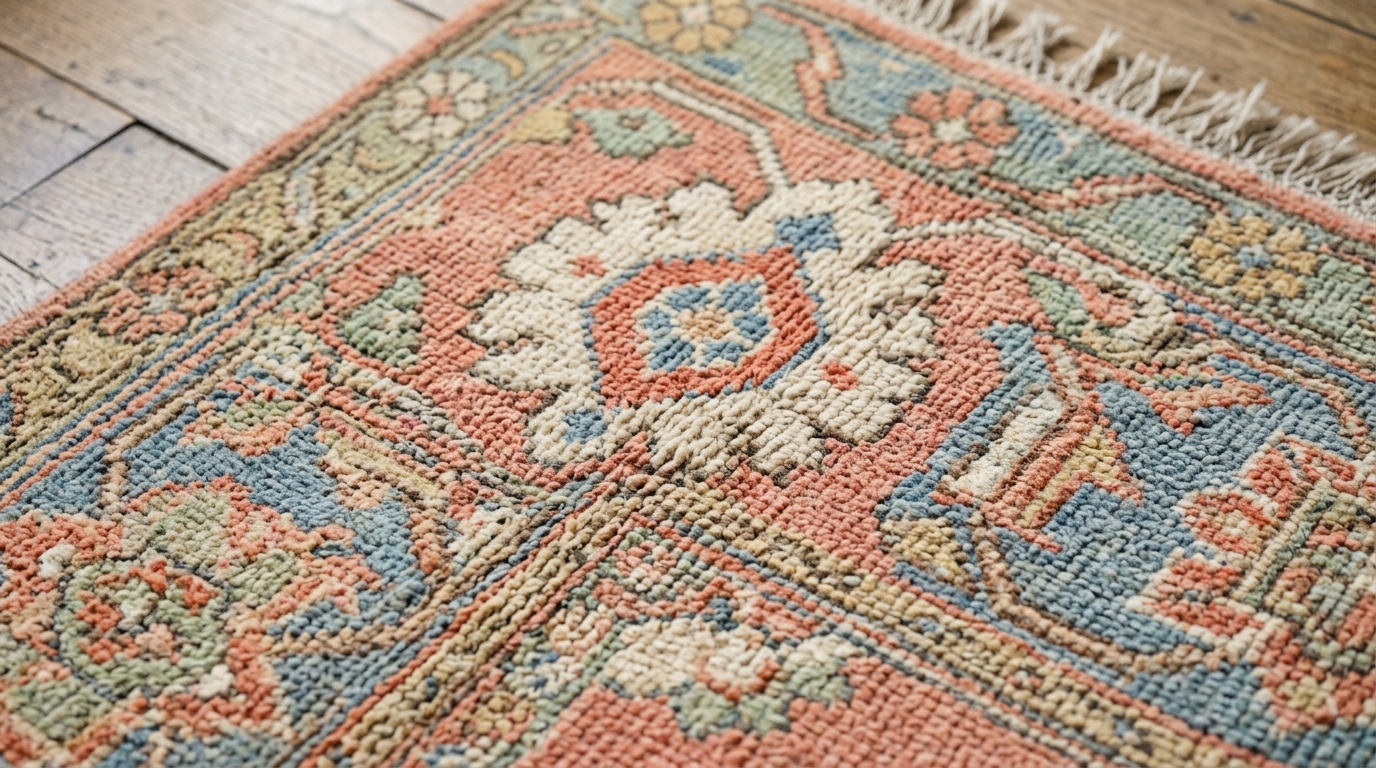
Unlike many Central Asian styles, traditional Turkish rugs are constructed using the symmetrical Ghiordes (Turkish) double knot, creating an exceptionally durable pile designed to endure generations of use.
History & Regional Origins
Ottoman Heritage
From the 14th century onward, Anatolian weaving flourished under royal patronage, heavily influencing European renaissance art and interior decoration.
Silk Road Convergence
Positioned at the crossroads of East and West, Turkish bazaars in Istanbul, Usak, and Hereke became historic epicenters for global rug trading.
Diverse Regional Styles
Distinct weaving hubs developed across Anatolia—from the bold geometric motifs of Bergama and Konya to the ultra-fine silk carpets of Hereke and the iconic medallion designs of Oushak (Usak).
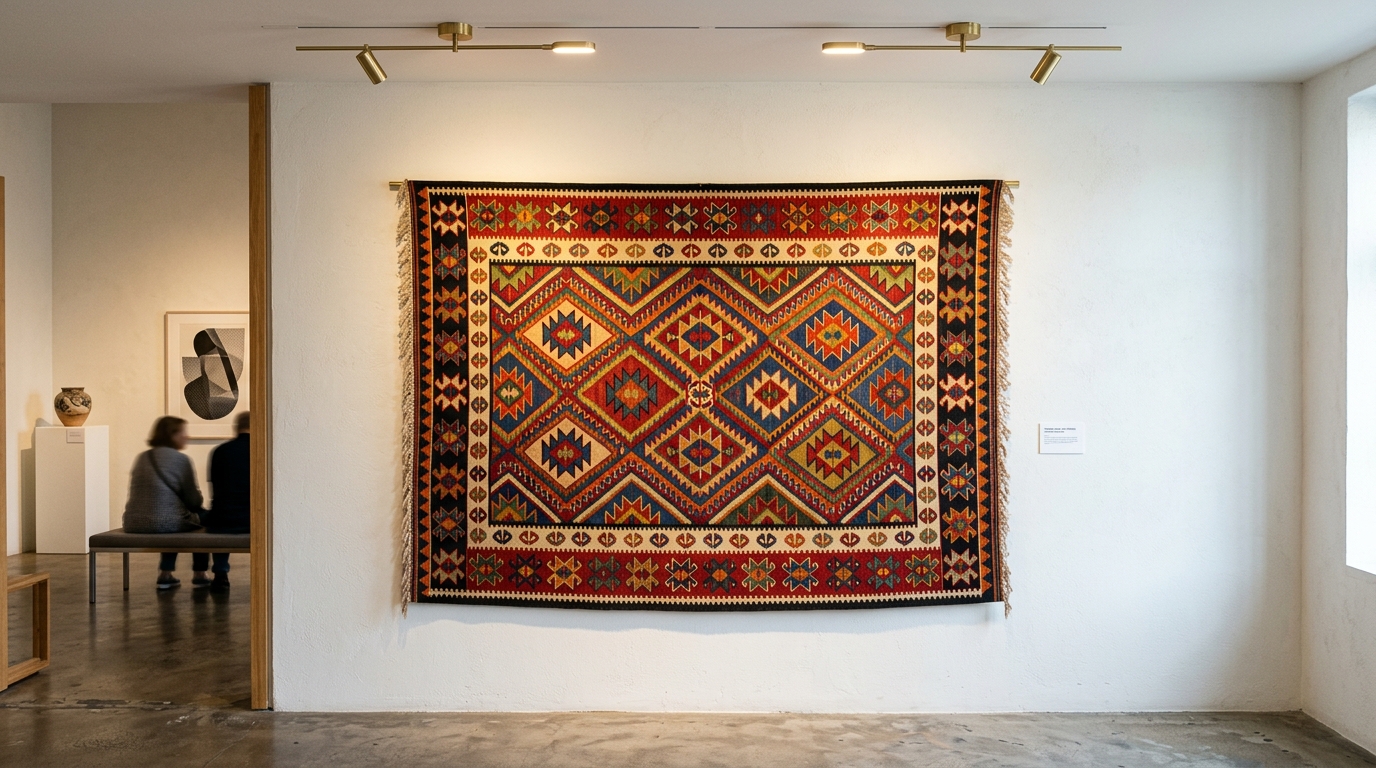
Anatolian & Turkish Rugs in Modern Spaces
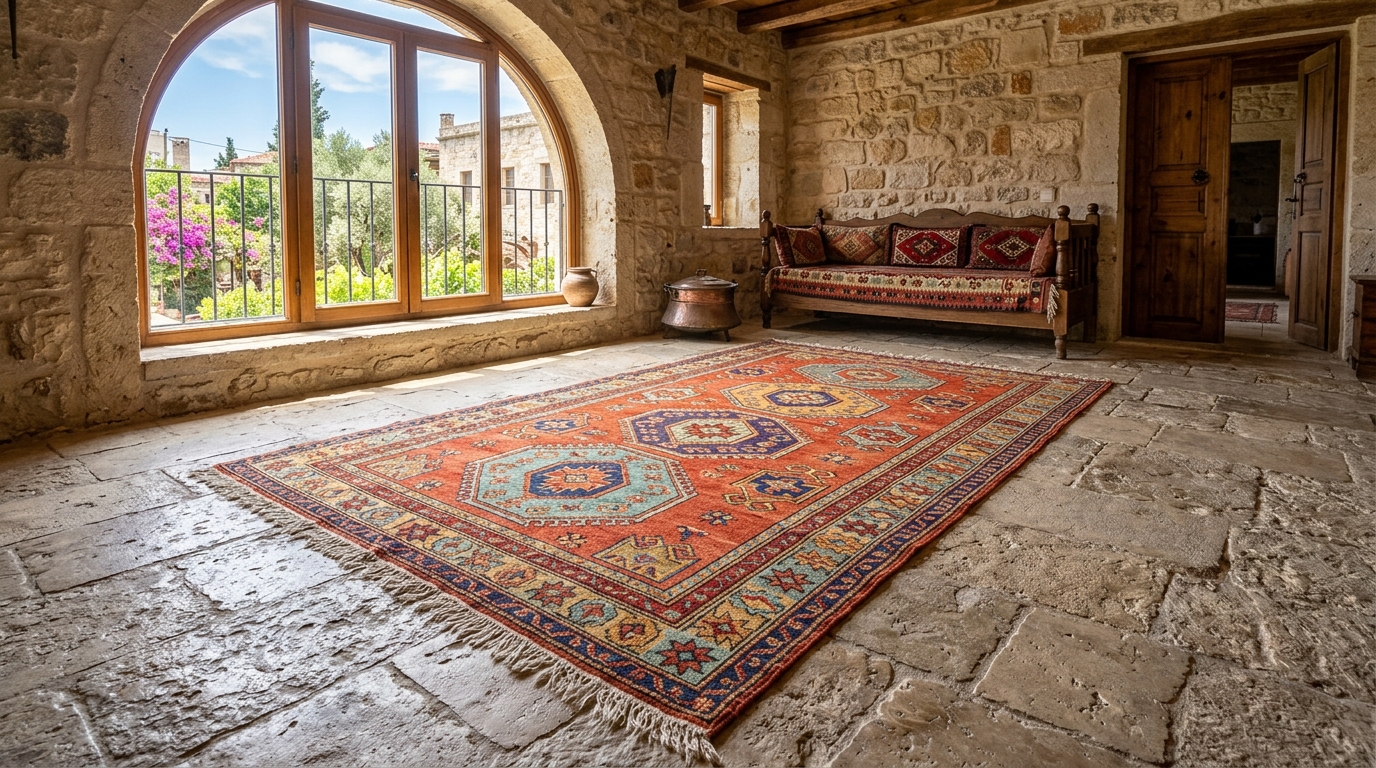
Thanks to their incredible variety—ranging from bold antique reds to muted pastel Oushaks—Turkish rugs seamlessly integrate into any interior design scheme:
Care Tip
Caring for Your Anatolian & Turkish Rugs
Explore Our Collection
Browse our hand-selected inventory of authentic, hand-knotted Anatolian & Turkish rugs.