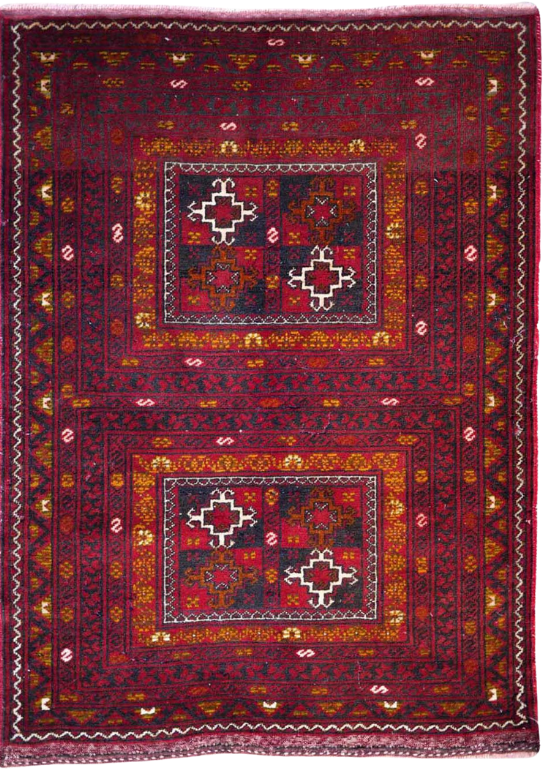
Baluchi Rugs: History, Origin & Collector’s Guide
Discover the authentic tribal artistry of Baluchi rugs. Hand-knotted by nomadic and semi-nomadic weavers across the borderlands of Iran, Afghanistan, and Pakistan, Baluchi rugs are celebrated for their rich colorways, geometric symbolism, and durable hand-spun wool construction.
Introduction to Baluchi Rugs
Baluchi rugs—traditionally woven by the Baluch tribes residing in eastern Iran, western Afghanistan, and southwestern Pakistan—are a testament to nomadic heritage and floor-covering artistry.
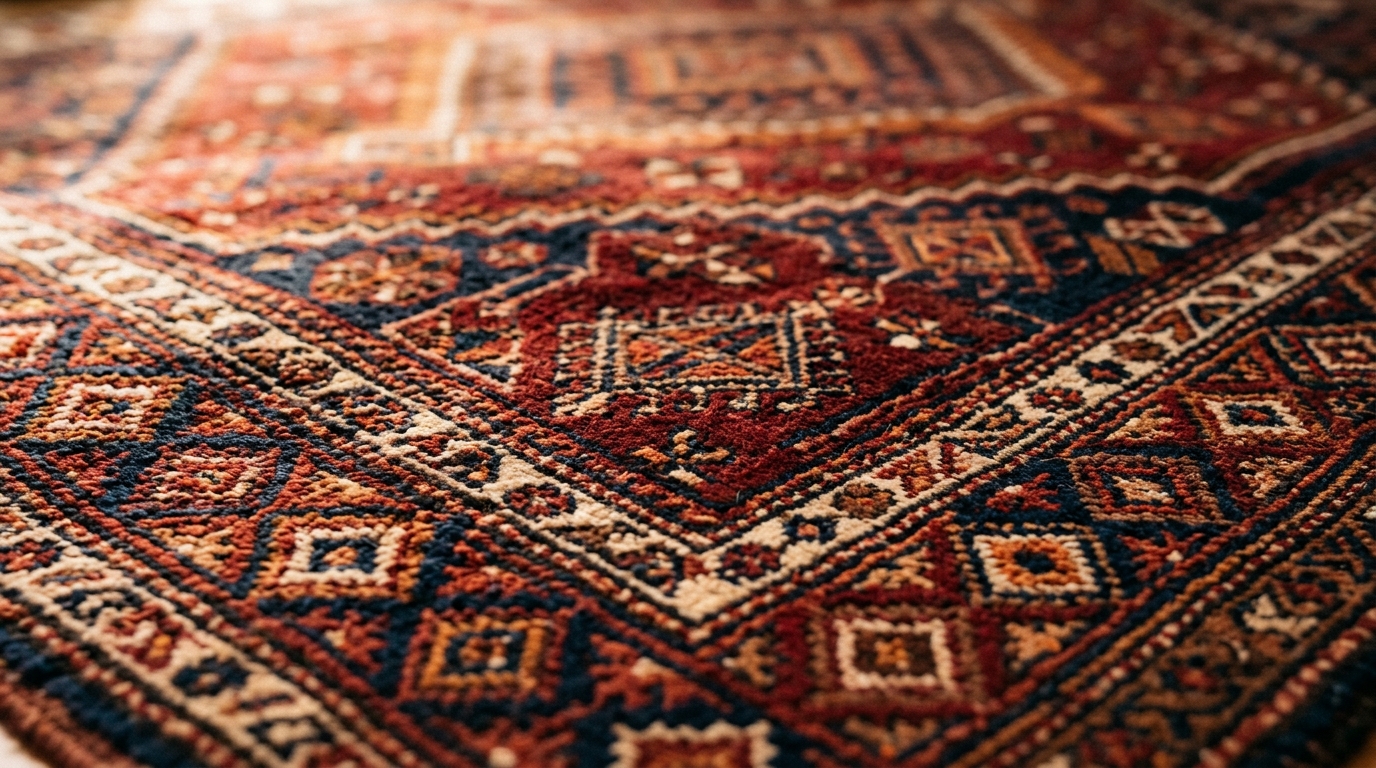
Unlike city workshop carpets, authentic Baluchi rugs are woven on portable horizontal looms. Because of this, each piece carries distinct tribal character, subtle color variations (abrash), and unique motifs that reflect the personal creativity of the weaver.
History & Regional Origins
Nomadic Roots
Historically crafted for domestic tribal use—such as tent carpets, salt bags (namakdan), saddlebags, and prayer rugs.
Trading Bazaars
Much like Bukhara carpets, Baluchi rugs were traditionally traded in regional silk road markets like Mashhad and Herat, bringing these distinct nomadic pieces to international collectors.
Cultural Symbolism
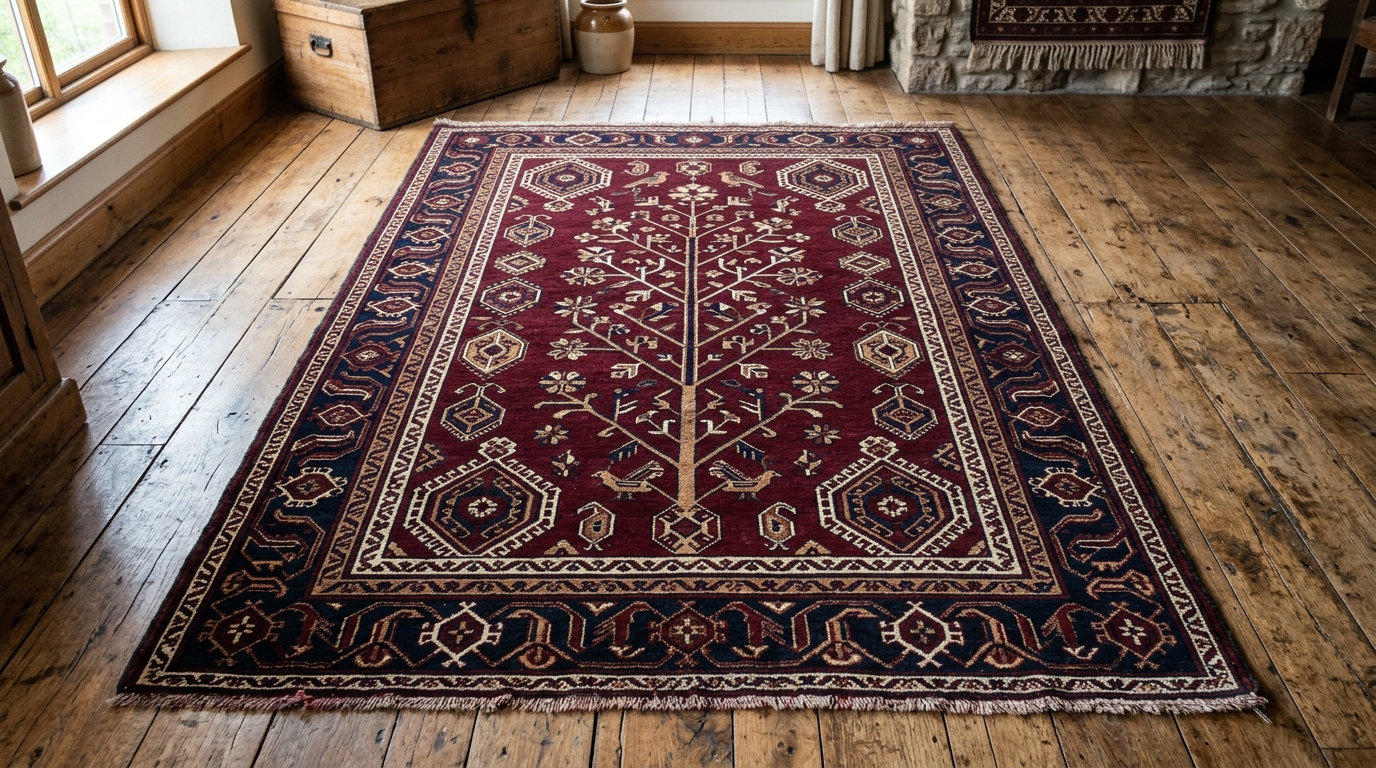
Motifs are deeply tied to tribal identity, spiritual beliefs, and nomadic life, featuring protective emblems, step-ladder patterns, and stylized flora or fauna.
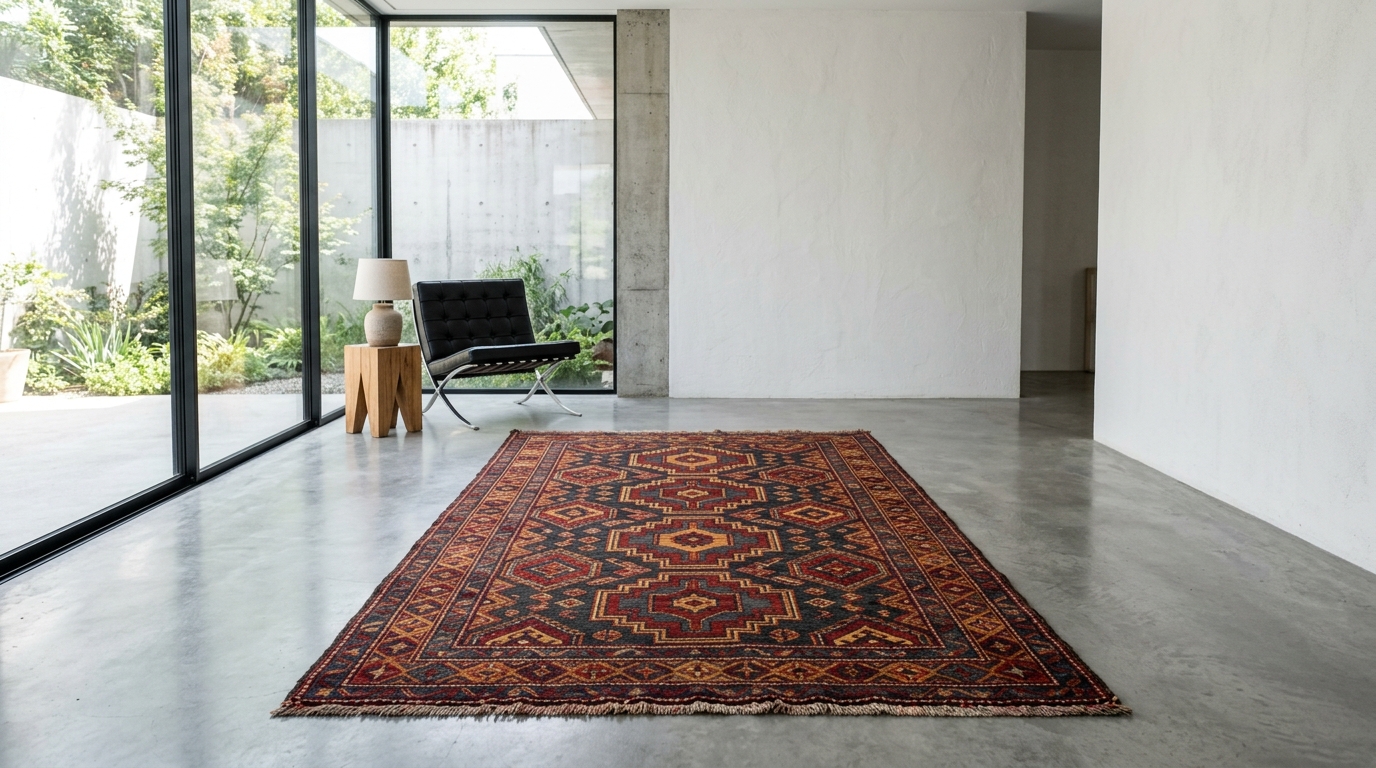
Styling Baluchi Rugs in Modern Spaces
With their deep tones and grounding geometric patterns, Baluchi rugs complement a variety of interior aesthetics:
Care Tip
Caring for Your Baluchi Rug
Explore Our Collection
Browse our hand-selected inventory of authentic, hand-knotted Baluchi rugs.