Bukhara & Turkmen Rugs: History, Origin & Collector’s Guide
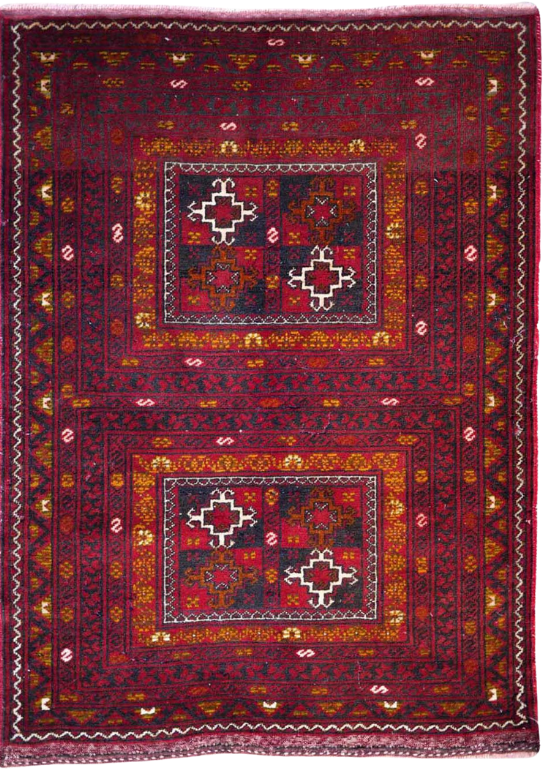
Discover the majestic, timeless legacy of Bukhara and Turkmen rugs. Hand-knotted by nomadic Turkmen tribes across Central Asia, these legendary carpets are famous for their rich crimson and liver-red hues, symmetrical geometric medallions (guls), and exceptional wool density.
Introduction to Bukhara & Turkmen Rugs
Turkmen rugs—often historically referred to as “Bukhara” carpets—are among the most iconic and recognizable hand-woven textiles in the world. Woven across Central Asia by ancient nomadic tribes (such as the Tekke, Ersari, Yomut, and Salor), these rugs are defined by their disciplined geometric repetition, warm red spectrums, and rich tribal heritage.
Whether featured in a traditional study or a sleek modern living space, Bukhara rugs add an undeniable sense of warmth, order, and classical elegance.
History & Regional Origins
The Bazaar of Bukhara
The historical city of Bukhara (in modern-day Uzbekistan) was a central trading hub along the Silk Road. Carpets woven by surrounding nomadic tribes were brought here to be sold, earning them the global commercial trade name “Bukhara Rugs.”
Tribal Emblematic Traditions
Each major Turkmen tribe used its own distinct gul (an octagonal or diamond-shaped tribal crest) as a heraldic signature, woven into the field of the rug to represent family and regional lineage.
Global Influence
During the 19th and 20th centuries, Bukhara rugs became highly prized throughout Europe and North America, becoming a hallmark carpet in classic libraries, law offices, and estate homes.
Styling Bukhara & Turkmen Rugs in Modern Spaces
With their warm color palette and balanced geometric grids, Turkmen carpets fit seamlessly across various design aesthetics:
Care Tip
Caring for Your Bukhara and Turkmen Rugs
Explore Our Collection
Browse our hand-selected inventory of authentic, hand-knotted Bukhara & Turkmen rugs.