Afghan Rugs: History, Origin & Collector’s Guide
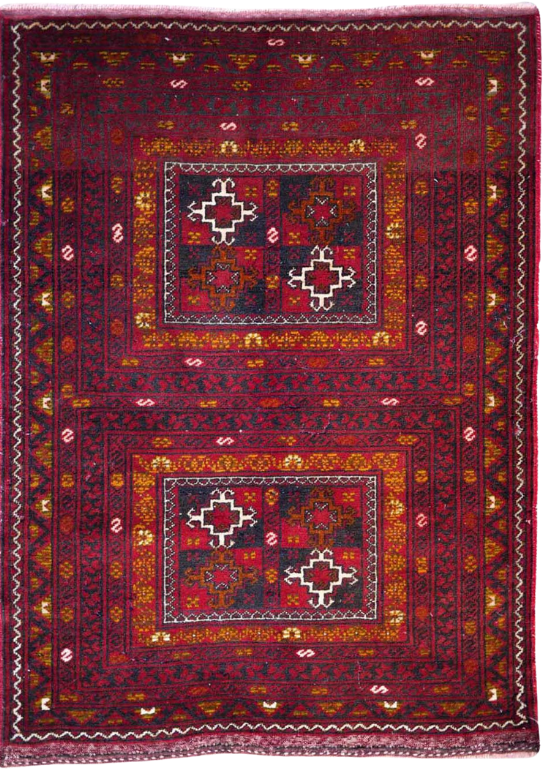
Discover the enduring legacy and tribal mastery of Afghan rugs. Hand-knotted by skilled weavers across Afghanistan’s northern plains, mountain villages, and borderlands, these carpets are celebrated for their rich madder-red dyes, durable wool construction, and timeless geometric iconography.
Introduction to Afghan Rugs
Afghan rugs are world-renowned for their rugged durability, soulful craftsmanship, and deep cultural heritage. Built to withstand generations of heavy use, traditional Afghan carpets are woven primarily by tribal communities—including Turkmen, Uzbek, Hazara, and Baluch weavers.
Unfazed by fleeting interior trends, authentic Afghan carpets carry a distinct grounding presence. Their deep, saturated jewel tones and geometric patterns create an inviting atmosphere of warmth and authenticity in any setting.
History & Regional Origins
Centuries of Tribal Heritage
Weaving traditions in Afghanistan have been passed down orally and through hands-on practice across generations, serving both practical nomadic needs and trade commerce.
Famous Regional Weaving Hubs
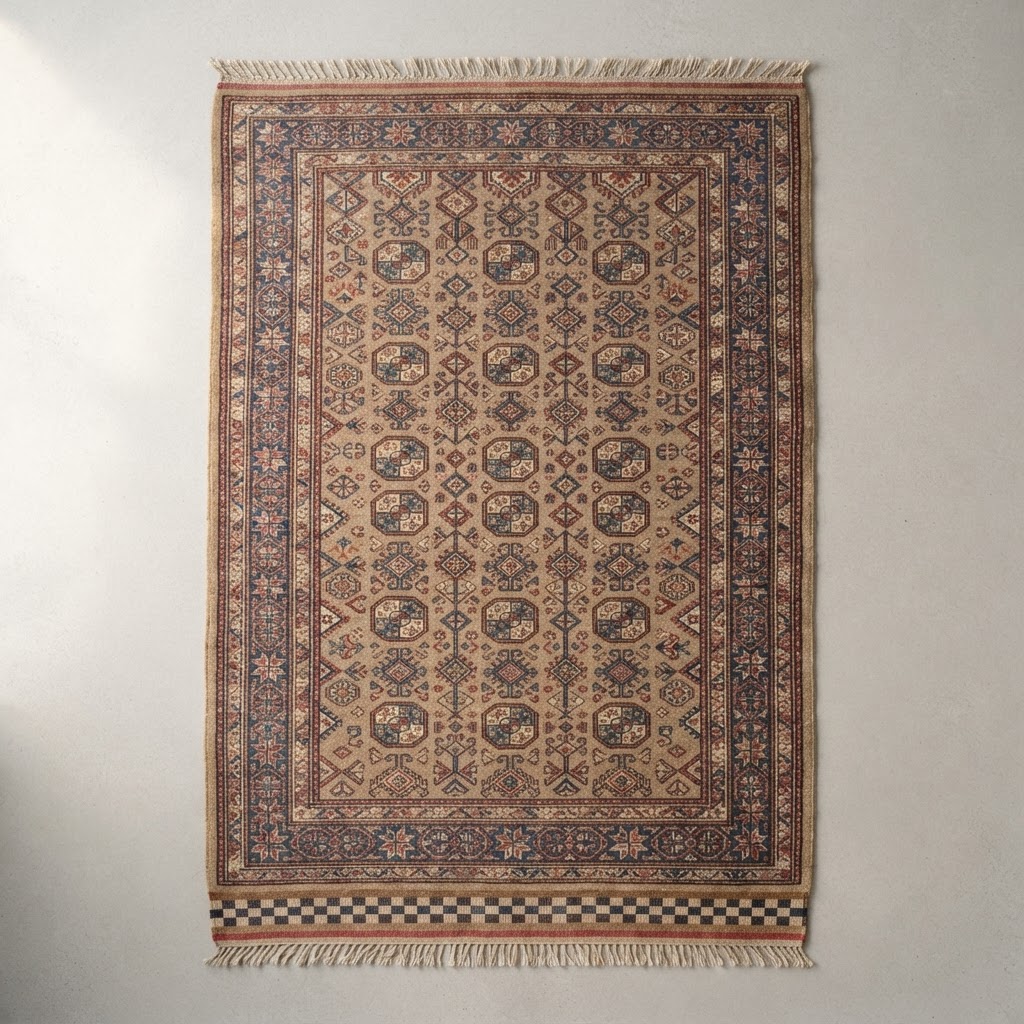
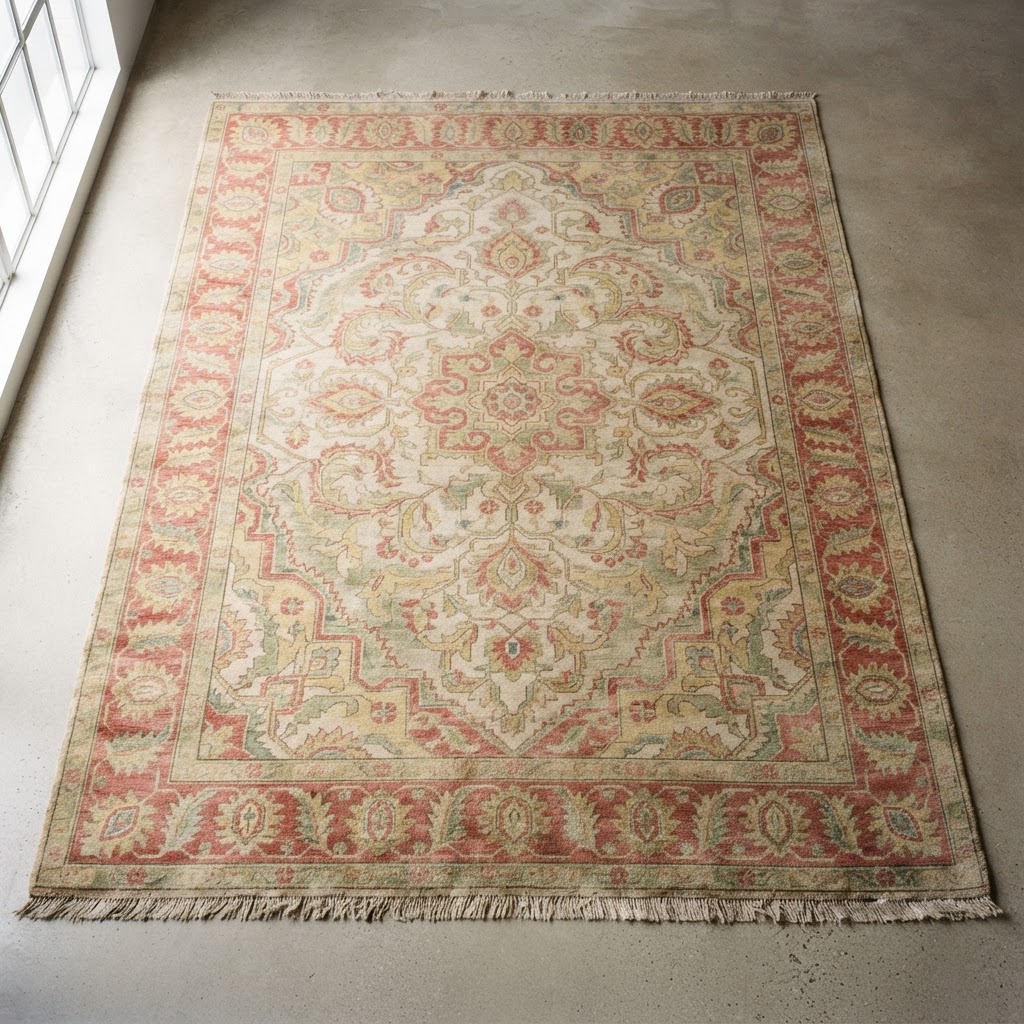
Key areas such as Mazar-i-Sharif, Kundu, Herat, and Andkhoy are famed for producing distinct regional variations, from heavy wool Khal Mohammadi carpets to finely woven Mauris.
Resilience & Adaptation
Despite decades of geopolitical turmoil, Afghan weavers have preserved their centuries-old techniques, continuing to use hand-spun wool and natural vegetable dyes.
Styling Afghan Rugs in Modern Spaces
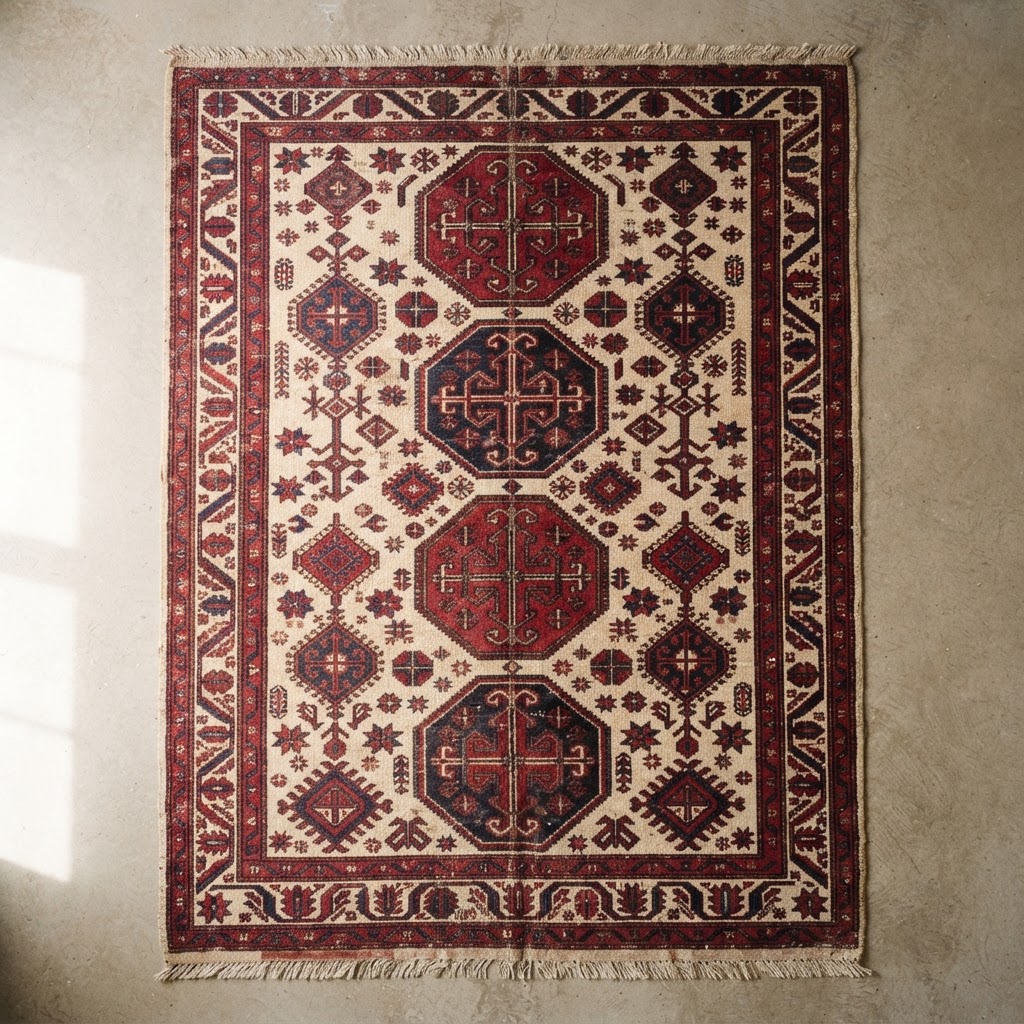
Thanks to their deep color saturation and structured geometric fields, Afghan rugs work exceptionally well across diverse interior styles:
Care Tip
Caring for Your Afghan Rug
Explore Our Collection
Browse our hand-selected inventory of authentic, hand-knotted Afghan rugs.