Iranian & Persian Rugs: History, Origin & Collector’s Guide
Discover the gold standard of hand-knotted carpet weaving. Celebrated globally for centuries, Iranian and Persian rugs represent the pinnacle of artistry, intricate detailing, and textile mastery, bringing timeless elegance and heritage into any home.
Introduction to Iranian & Persian Rugs
Persian rugs (crafted in modern-day Iran) are widely recognized as the most renowned and sought-after hand-knotted carpets in human history. With weaving roots tracing back over 2,500 years to the ancient Achaemenid Empire, these carpets are far more than mere floor coverings—they are living heirloom art pieces.
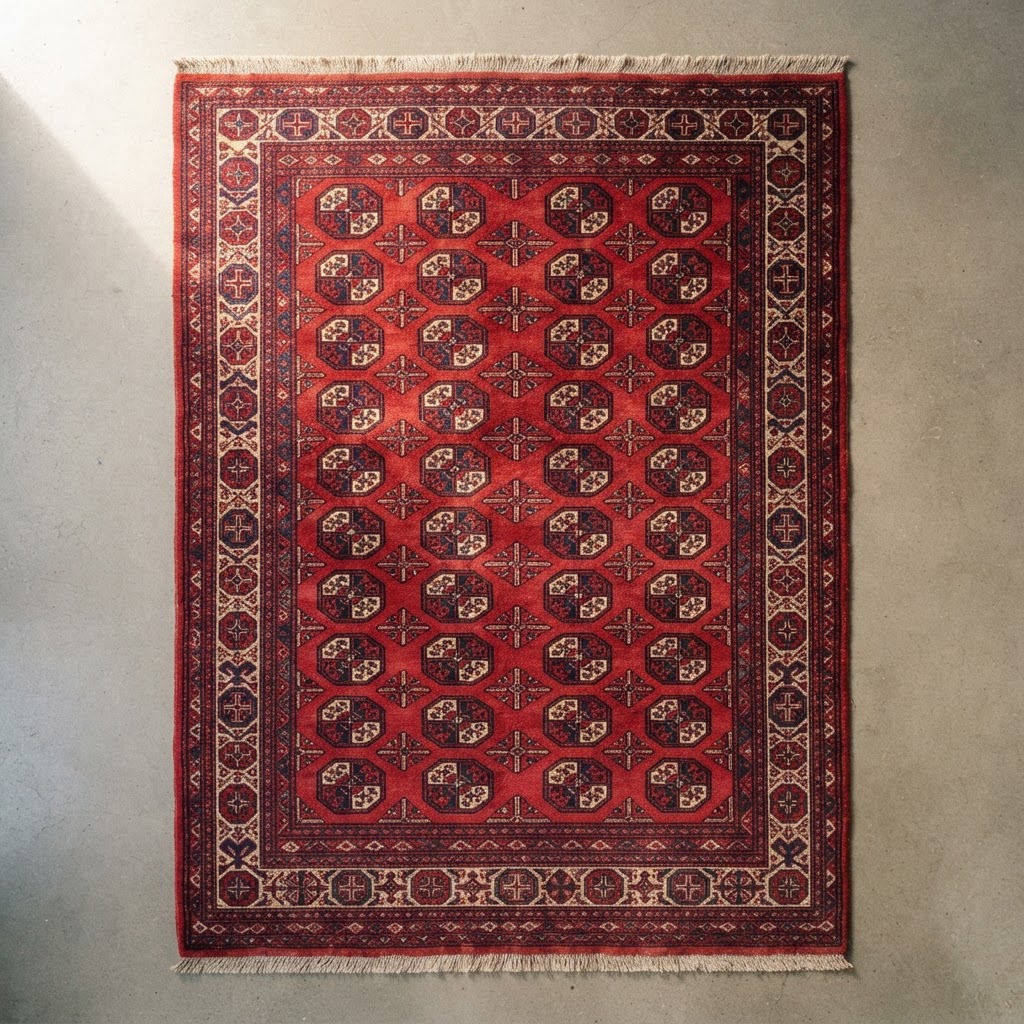
From the grand city court workshops of Isfahan and Tabriz to the spirited tribal looms of Qashqai and Bakhtiari weavers, Iranian rugs showcase unmatched knot density, elaborate curvilinear designs, and breathtaking natural color gradients.
History & Regional Origins
Royal Safavid Patronage
Persian rug weaving reached its historic zenith during the Safavid Dynasty (16th–18th century), when Shah Abbas established royal city workshops, elevating carpet making to a fine art form.
Master Workshop Cities
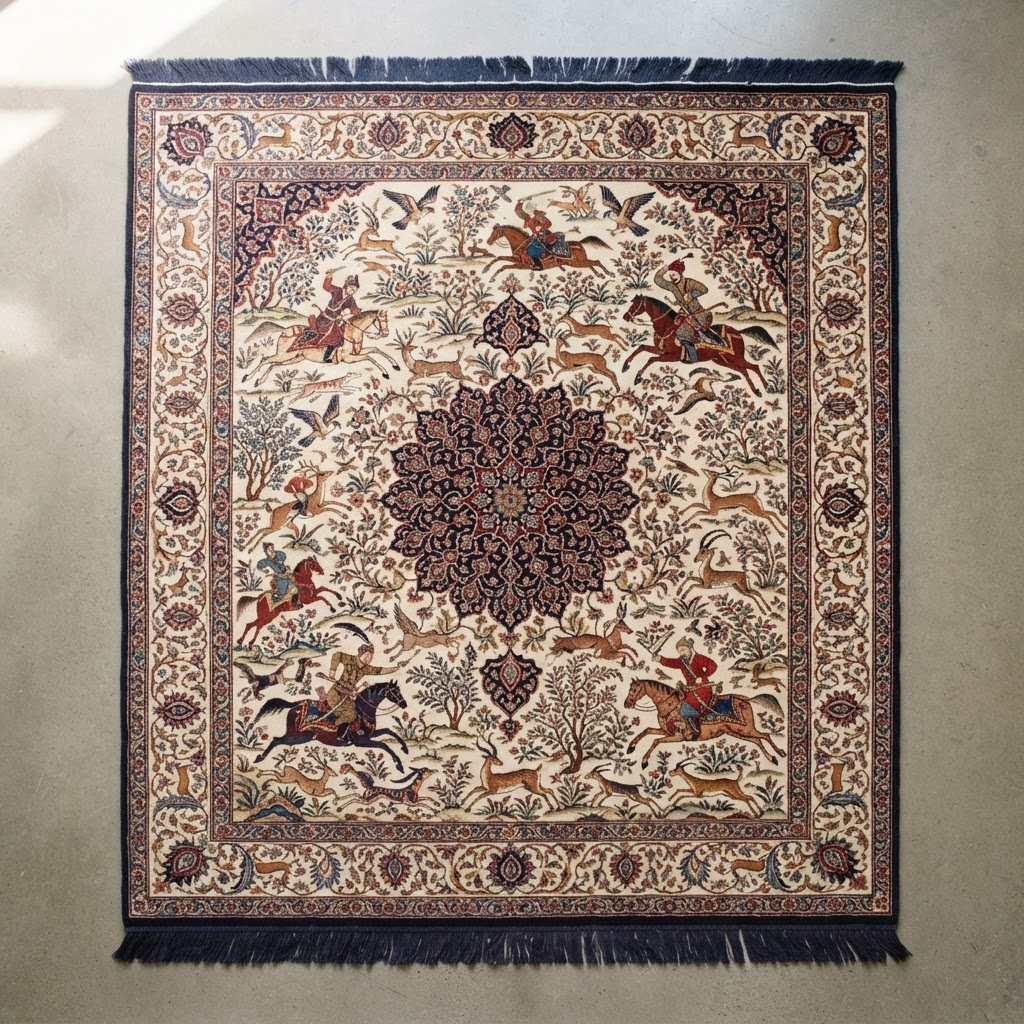
Famed urban weaving centers—such as Tabriz, Isfahan, Kashan, Kerman, and Nain—became world leaders in designing precise, high-density floral palmettes and central medallion carpets.
Nomadic & Village Heritage
Alongside city masterpieces, nomadic tribes (such as the Qashqai, Lori, and Khamseh) produced expressive geometric carpets and tribal flat-weaves rich in regional symbolism.
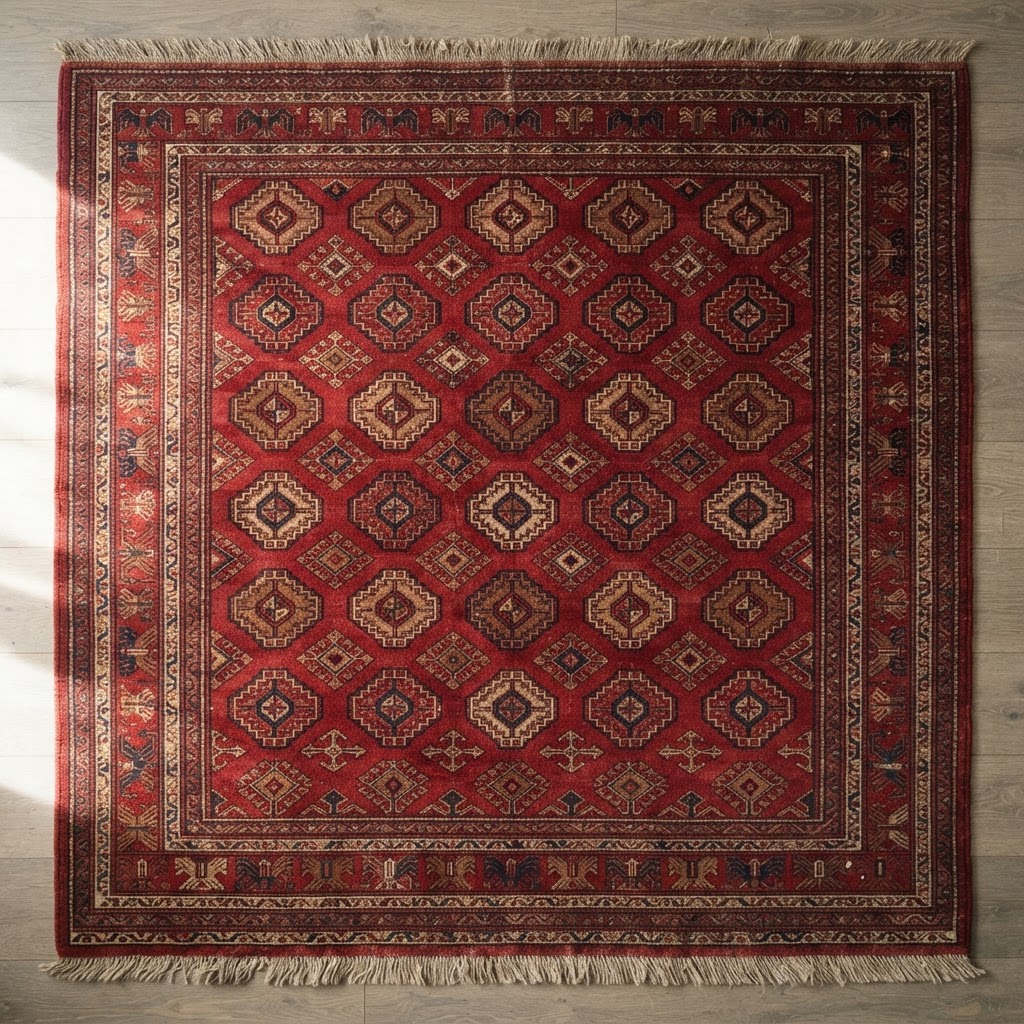
Styling Iranian & Persian Rugs in Modern Spaces
Persian rugs possess an innate ability to elevate both historic and contemporary interior styles:
Care Tip
Caring for Your Iranian & Persian Rugs
Explore Our Collection
Browse our hand-selected inventory of authentic, hand-knotted Iranian & Persian rugs.